Perhaps healing is not about forgetting those we have lost, but learning to honour their memory while continuing the journey they helped us begin.
Lately, I have been reflecting deeply on the process of healing, especially healing from the loss of someone we dearly love.
I have seen people lose loved ones and, even after many years, the pain still seems as fresh as the day the loss occurred. This has made me wonder: do we ever truly heal, or do we simply learn how to live with the pain?
Recently, I watched a Facebook video about a woman who lost her sister during childbirth. Out of love and responsibility, she took care of the children her late sister left behind and raised them into adulthood. Many years later, at a special event organized to celebrate her sacrifices, a Yoruba praise chanter was invited to thank her. The moment the chanter mentioned her sister's name, she broke down completely. She became inconsolable, as though the tragedy had happened only moments earlier.
What struck me most was that this was not a recent loss. Decades had passed, yet the wound appeared untouched by time.
That experience left me asking a question that I have not been able to answer: *Can we truly heal from the loss of someone dear to us?*
I honestly do not know the answer. Perhaps this question resonates with me because of my own recent experience.
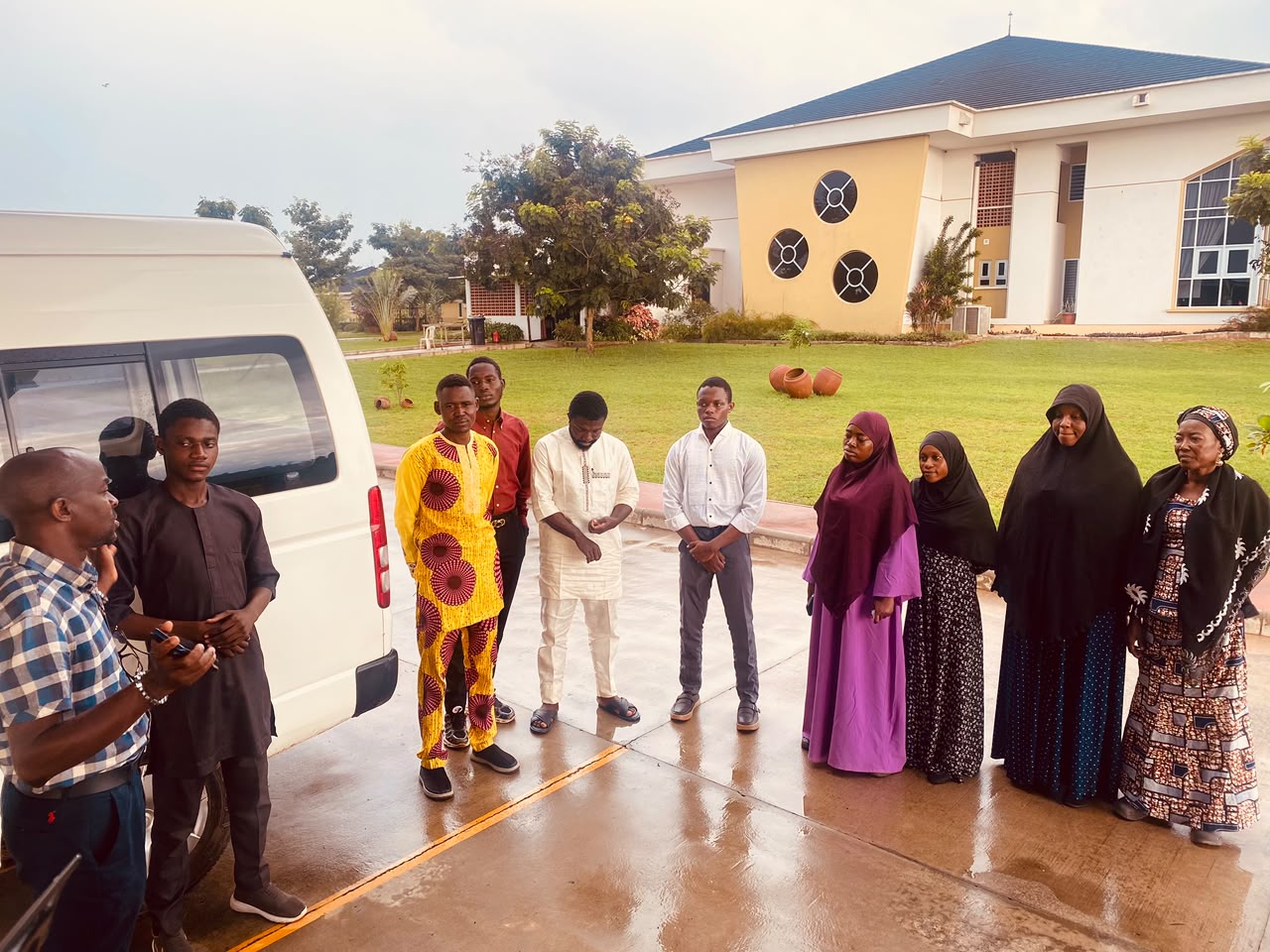
On July 3, 2026, during prayers at Aikulola-Aibinuomo, I found myself overwhelmed by emotions. As worshippers streamed into the newly established mosque for Jumu'ah prayers, I felt an unexpected sadness. I wished my mother were alive to witness that moment. Seeing the mosque come alive in a busy market environment would have brought her immense joy, and I would have loved to share that joy with her.
The memories came rushing back, and before I knew it, tears filled my eyes. That was someone I lost over ten years ago.
Yet I realized that the very existence of the mosque is itself part of her legacy, because the values she instilled helped shape the journey that brought us here.
I also remembered a conversation I once had with Baale Idowu Apensiola Aibinuomo III. I told him how much I wished his late father had lived to witness the realization of this dream. His father was a passionate advocate for the establishment of the mosque and was known for constantly calling people to righteousness and repentance. So committed was he to this cause that he earned the nickname *Kogbola*, a reminder that one should not postpone repentance until tomorrow.
Standing there during the prayer session, I realized that although our loved ones may be gone physically, their memories, influence, and unfinished conversations remain with us. Sometimes, a place, a song, a name, or an event can instantly bring those memories back and reopen emotions we thought had long settled.
This brings me back to my question:
*Can someone truly heal from losing a loved one?*
In Islam, we are encouraged to exercise patience and trust in Allah's decree. While there are guidelines regarding mourning, the reality is that grief often lingers in the heart long after the formal mourning period has passed. The pain may become less intense, but does it ever completely disappear?
Perhaps healing does not mean forgetting. Perhaps it does not mean reaching a point where the tears never come again. Maybe healing is learning to carry the memory without being crushed by it. Maybe it is finding a way to continue living, loving, and serving despite the absence of those we miss.
Perhaps there is no single answer, which is why I am opening this conversation.
Have you ever lost someone dear to you? Did you heal, or did you simply learn to live with the loss? What does healing mean to you?
Maybe the measure of healing is not whether we still cry when we remember them, but whether we continue to live in a way that honours their memory. What do you think?
Please share your thoughts in the comments on this website, https://www.aibinu.com.ng/blog/do-we-truly-get-healed. I would genuinely love to hear different perspectives and learn from the experiences of others.
For those interested, the Facebook video that inspired some of these reflections is also available for viewing at https://www.facebook.com/share/v/18mwgqMPqj/