The future of African higher education lies in visible, impact-driven partnerships rather than symbolic collaborations. To remain relevant in an increasingly competitive global knowledge economy, university consortia must move beyond events and embrace measurable outcomes, innovation, and strategic visibility.
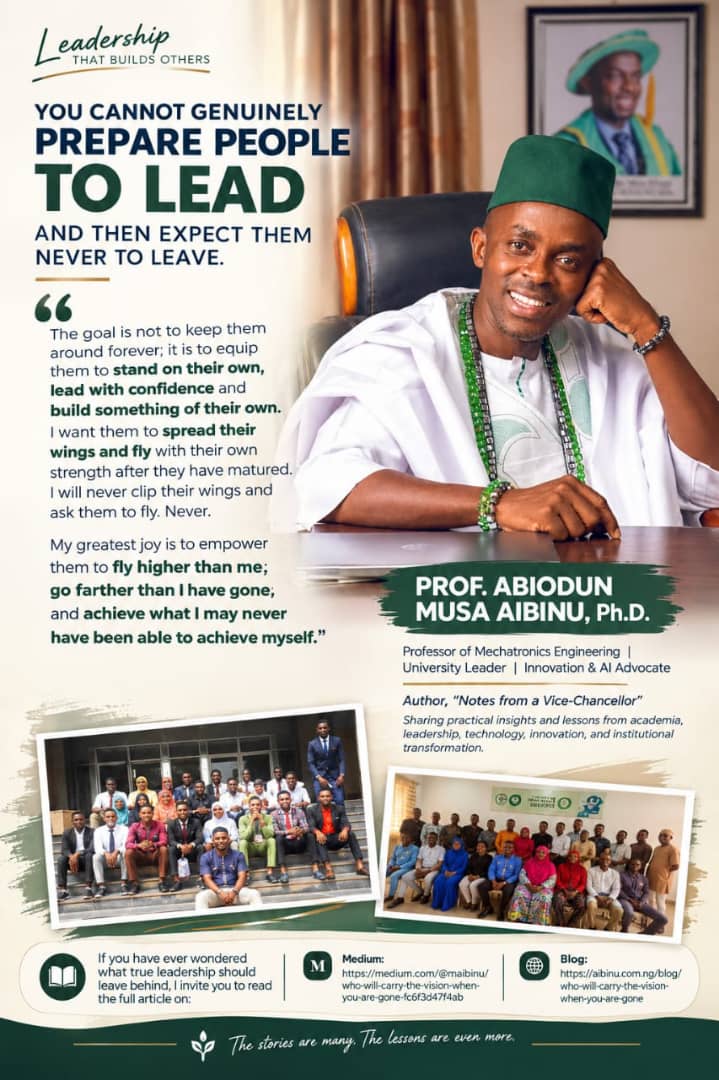
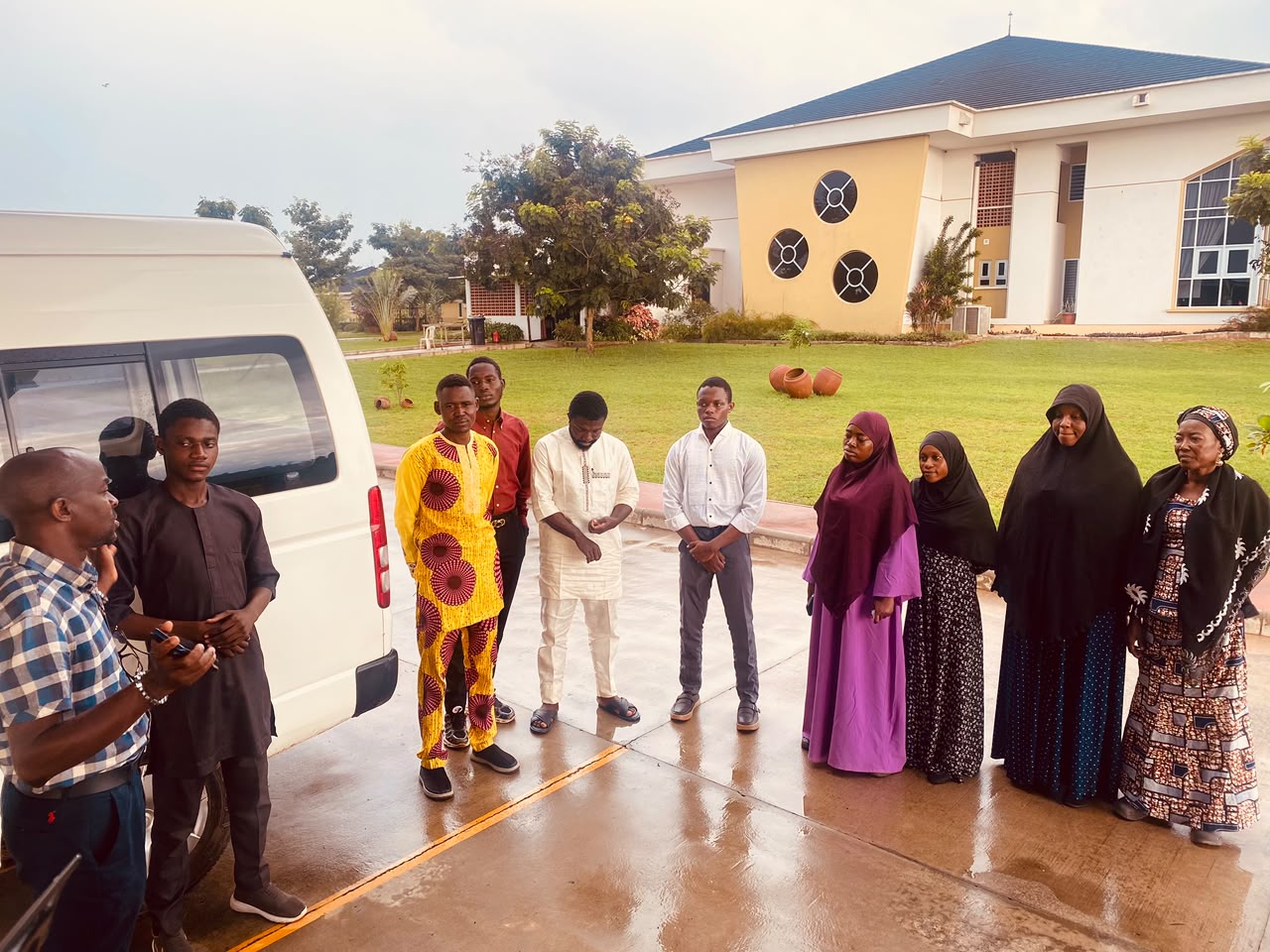
On 2 July 2026, I had the privilege of serving as Guest Speaker at the Mid-Year Meeting of the U6+ Consortium of African Universities, hosted by the University of Ilorin, popularly known as the "Better by Far" University. The gathering brought together Vice-Chancellors, distinguished academics, researchers, and university leaders from across Africa to reflect on a question that is becoming increasingly important:
*What truly defines the success of a university consortium in the 21st century?*
The U6+ Consortium, established in 2012 at the University of Ilorin, is an alliance of eleven universities committed to advancing transnational research, educational excellence, and African-led solutions to continental challenges. Over the years, it has strengthened academic networking, scholarly exchange, joint publications, and institutional partnerships across multiple African countries.
Yet, as I reflected during the meeting, the time has come for African university consortia to redefine success.
For decades, consortia have often been evaluated by the number of conferences they organize, meetings they hold, and Memoranda of Understanding they sign. While these activities remain important, they should be viewed as means rather than ends. The true measure of success lies in the value created and the impact delivered.
In today's rapidly changing world, universities face mounting challenges: limited research funding, increasing global competition, technological disruption, and growing expectations to provide solutions to societal problems. No institution, regardless of its size or reputation, can effectively tackle these challenges alone. The future belongs to institutions that collaborate strategically and convert partnerships into tangible outcomes.
The experience of the Russell Group in the United Kingdom demonstrates what is possible when universities collaborate strategically. Although its members represent a minority of UK universities, they attract the majority of research funding, produce a substantial proportion of world-leading research, and exert significant influence on national innovation and policy.
The question therefore is not how many meetings a consortium holds, but what those meetings produce.
Successful consortia should be measured by the grants they attract, the knowledge they create, the publications they produce, the innovations they commercialise, the talent they develop, the policies they influence, and the societal impact they deliver.
One theme that generated considerable discussion was the concept of *Knowledge Visibility*.
Across Africa, universities are producing remarkable research and innovative solutions. However, much of this knowledge remains invisible beyond institutional boundaries. In a digital and interconnected world, visibility is no longer optional; it is strategic.
Visibility attracts partnerships.
Visibility attracts funding.
Visibility attracts talent.
Visibility attracts influence.
Simply put, knowledge that cannot be found cannot achieve its full impact.
This led me to propose what I described as the emerging *Knowledge Quadruple Helix*. Traditionally, scholarship has focused on three pillars: Knowledge Generation, Knowledge Dissemination, and Knowledge Application. While these remain essential, today's digital environment demands a fourth pillar: *Knowledge Visibility*.
Without visibility, research struggles to attract citations, collaborations, funding opportunities, and global recognition. Visibility is therefore not vanity; it is strategy.
Perhaps the most memorable takeaway from the discussion was captured in a simple statement:
*"Conferences attract attention for a moment; highly visible consortia attract partnerships, resources, talent, funding, and influence for generations."*
The discussions converged around a practical roadmap for consortia, captured in the *5C Mantra*, articulated by the Vice-Chancellor of the host institution, Prof. Abdulwahab Egbewole:
*Connect → Collaborate → Consolidate → Commercialise → Create Continental Impact*
Participants agreed that the successful implementation of this agenda would require a bottom-up approach that encourages ownership and participation across member institutions. There was also a strong consensus on the need to promote Open Access publishing, strengthen the visibility of research outputs, and pool resources and expertise to develop competitive research proposals capable of attracting international funding.
In today's world, excellent research that is not discoverable is often overlooked. Search engines, academic databases, Open Access repositories, and digital platforms increasingly determine which research is read, cited, funded, and adopted. Visibility has become a prerequisite for influence.
As I left the meeting, one conviction became even stronger.
The universities and consortia that will lead Africa in the next decade will not necessarily be the biggest or the oldest. They will be those that collaborate most effectively, mobilise resources strategically, produce impactful research, and make their knowledge, achievements, and contributions visible to the world.
Africa's future will not be shaped by isolated institutions working alone. It will be shaped by visible, connected, and impact-driven ecosystems of collaboration capable of transforming knowledge into innovation, innovation into prosperity, and prosperity into sustainable development.
That is the future African university consortia must build together—not one conference at a time, but one impactful collaboration at a time.