No education system can outperform the quality, passion, and vision of those who stand before the classroom
In recent times, I have reflected deeply on how we approach learning, education, and teaching as a nation. In most cases, our brightest students are encouraged to study Medicine, Engineering, Law, Accounting, and other highly celebrated professions, while Education is too often treated as a fallback option.
Today, many parents whose children score above 250 in JAMB would strongly resist the idea of allowing such children to study Education. Unfortunately, this mindset has gradually reduced teaching from a noble and transformational profession to a last-choice career path.
Ironically, we still expect a system that does not consistently attract top-performing students into teaching to produce exceptional learning outcomes. We expect such a system to deliver quality learning, mentorship, innovation, and intellectual development for the next generation. In the process, we forget a fundamental truth: the transformation of any nation begins not in boardrooms, but in classrooms.
Something is clearly wrong with that model.
If we truly desire transformational education, innovation, critical thinking, and national development, then we must move towards a new philosophy: *allowing the best to teach the rest.*
Looking back, many of the teachers who shaped our lives were not merely instructors; they were visionaries who inspired confidence, ignited dreams, and transformed destinies.
Countries with strong education systems such as Finland, Singapore, and South Korea intentionally recruit some of their top-performing students into the teaching profession because they understand that great teachers build great nations.
When brilliant minds teach, they do more than transfer knowledge; they inspire curiosity, creativity, confidence, and excellence. This philosophy also reflects naturally in peer learning, where students learn collaboratively through mentoring, demonstrations, and shared problem-solving.
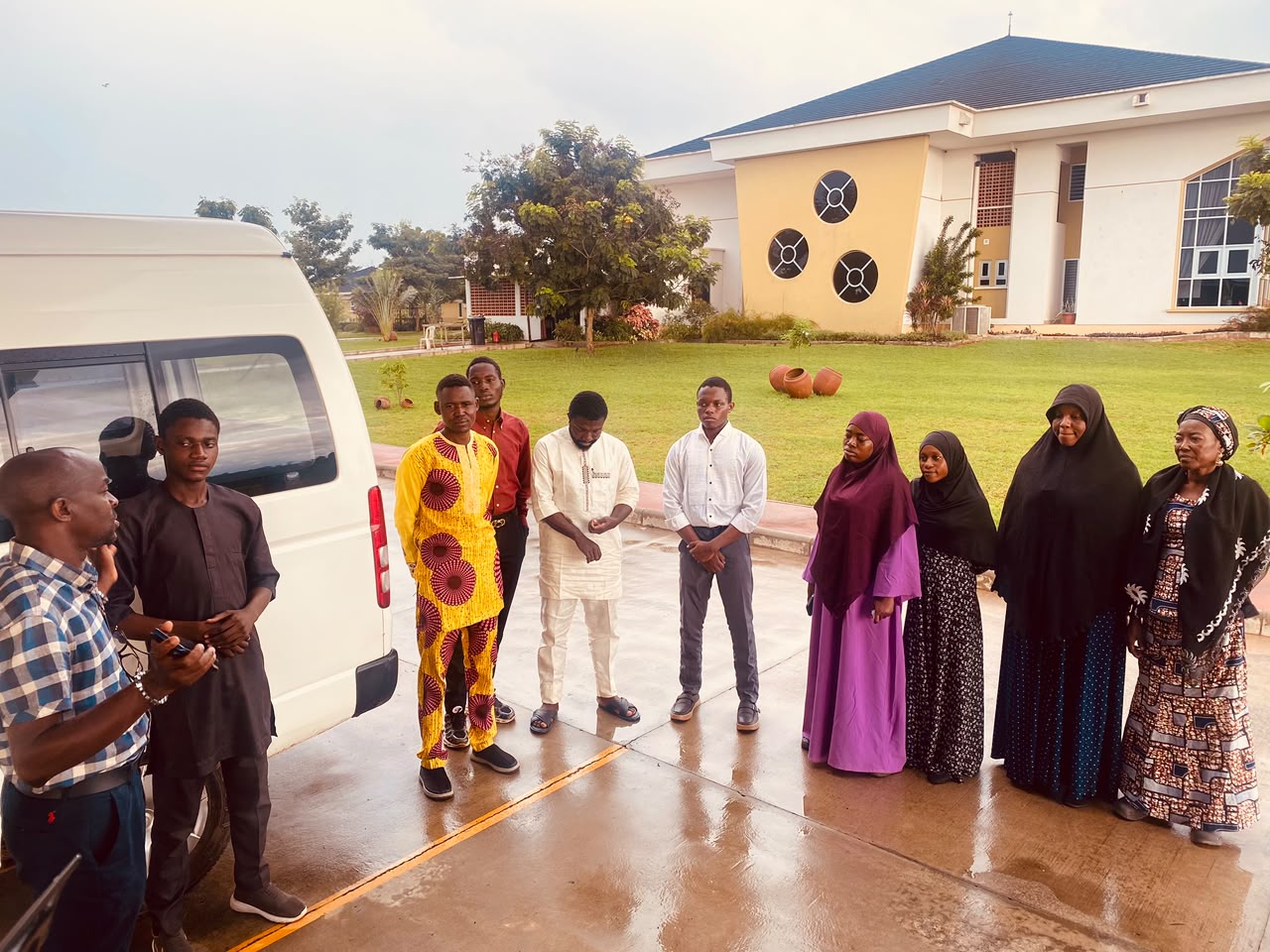
Just a few days ago at Summit University, I witnessed a beautiful example of this philosophy in action. Students from the GRAINS Club voluntarily organised a training programme to demystify drone piloting and emerging technologies for fellow students.
More than 80 participants attended enthusiastically throughout the programme, with support from organisations including Omnicom Solutions, MOMAS Group, One Innovation Hub, and Ethica Microfinance Bank.
This is what becomes possible when learning is collaborative, practical, learner-centred, and inspiring. It is also a clear example of the Quadruple Helix model where academia, government, industry, and society work together to drive innovation and knowledge sharing.
The future of any nation can never rise above the quality of those entrusted with teaching its next generation. Parents must stop seeing Education as a last-choice profession. Governments must restore dignity and incentives to teaching. Universities must deliberately attract their brightest minds into Education, while scholarships and national policies should reward future educators.
When a nation elevates its teachers, it elevates its future.